
The evolutionary premium model
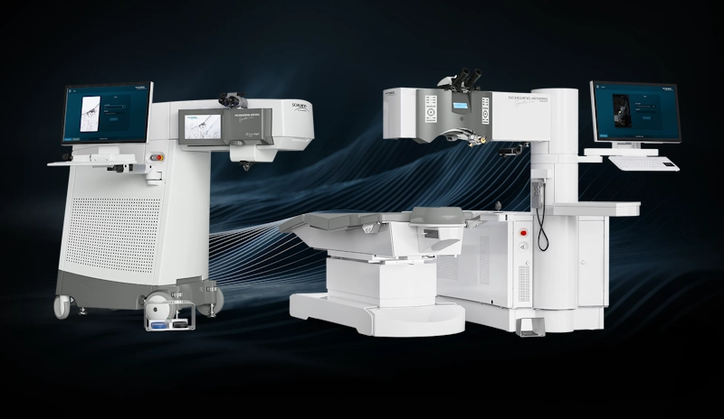
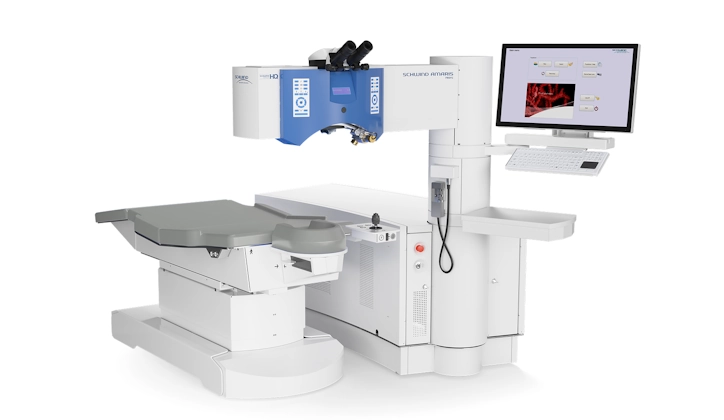
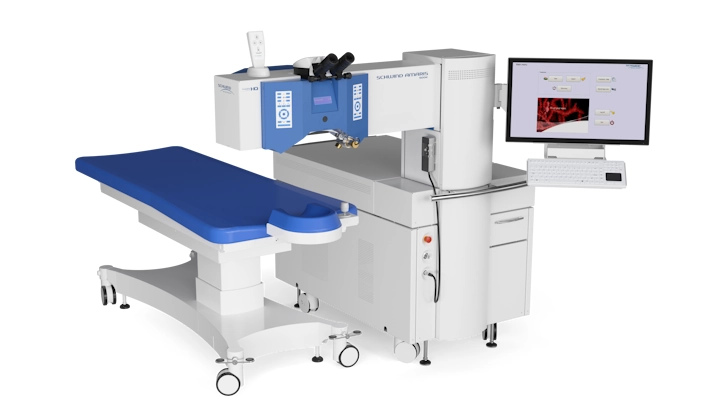
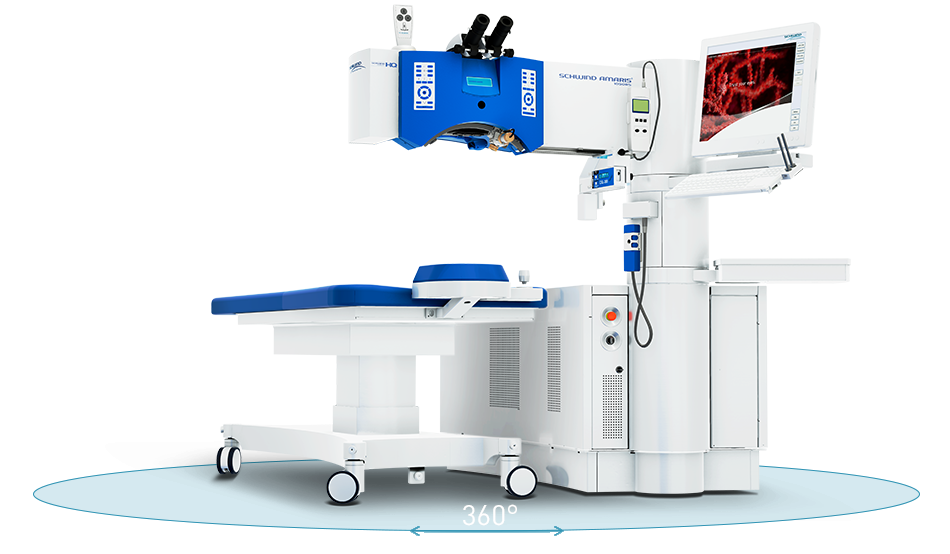
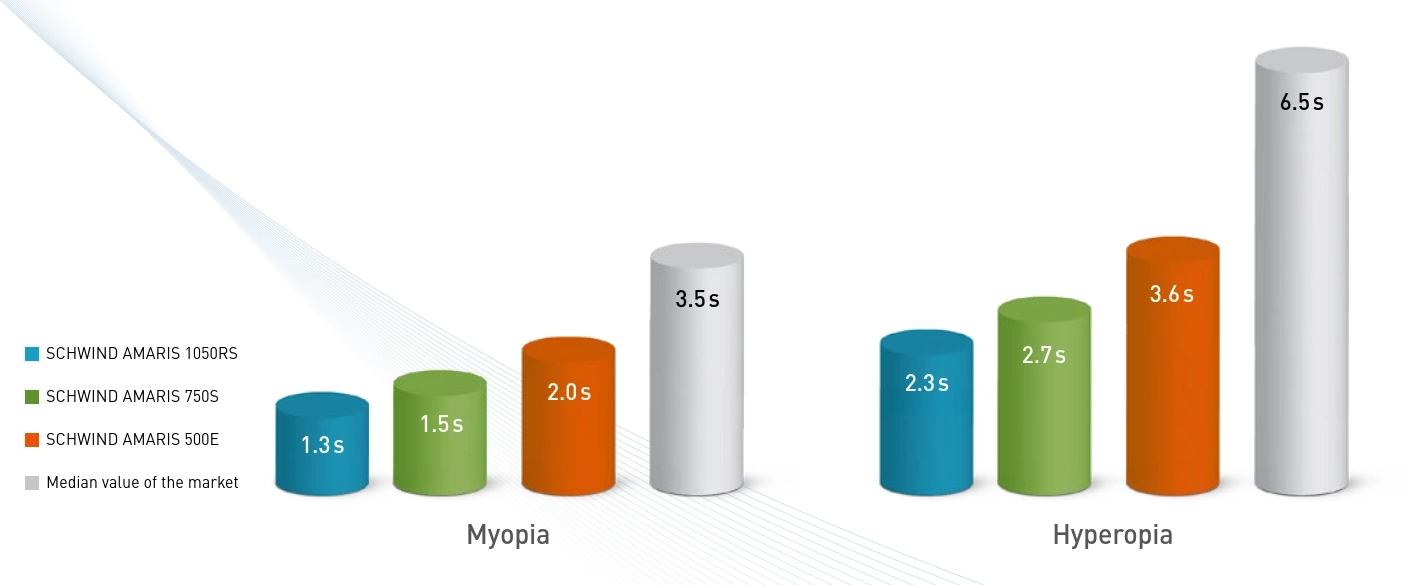
The SCHWIND AMARIS 1050RS is the product of continuous development work and is the most powerful excimer laser in the AMARIS product family. The innovative laser system delivers an unsurpassed repetition rate of 1050 Hz – currently one of the highest of all excimer lasers on the market – and consequently an extremely short ablation time of just 1.3 seconds per dioptre.1 That means even greater safety and comfort for the patient. The risk of the cornea drying out is minimised, and the length of time the patient has to fixate on the green light is reduced. It is a performance leap that increases safety and enhaces patient comfort.
Active 7D eye tracking means that the SCHWIND AMARIS 1050RS combines space and time in an innovative technology. The state-of-the-art “Latency-Free Tracking” (virtual) takes account of eye movements occurring during the period between acquisition of the eye-tracker image and triggering of the subsequent laser pulses – thus, the new target position is known in advance. The ablation process without latency error offers enhanced precision to patient.
1 LASIK Myopia without astigmatism, 12.5 mm vertex distance, 6 mm optical zone
C-eye Corneal Crosslinking
The integrated solution with SCHWIND AMARIS excimer lasers
C-eye* puts modern CXL technology together with SCHWIND AMARIS excimer lasers. This lets you perform CXL quickly and easily following a refractive or therapeutic laser treatment, without requiring the patient to change position. The device and the patient’s eye are aligned precisely and easily using the joystick of the AMARIS’ patient bed.
If there is a laser treatment following CXL, the SCHWIND AMARIS adjusts for the change in ablation behaviour10 with a specially adapted profile.
Benefits at a glance
- Optimized CXL workflow with SCHWIND AMARIS
- Elevated safety and effectiveness through preset application protocols and special irradiation profile
- Wide range of applications and high variability
- Treatment of ultrathin corneas (sub400)
- Simple operation and mobility
* Manufacturer of the diagnostic devices and C-eye: C.S.O.S.R.L – COSTRUZIONE STRUMENTI OFTALMICI 50018 Scandicci (Firenze) ITALY – V.Degli Stagnacci 12 / E
- Determination of the excimer laser ablation rate in previously crosslinked corneas. J Refract Surg. 2014 Sep;30(9):62832. Richoz O, Hafezi F et al.
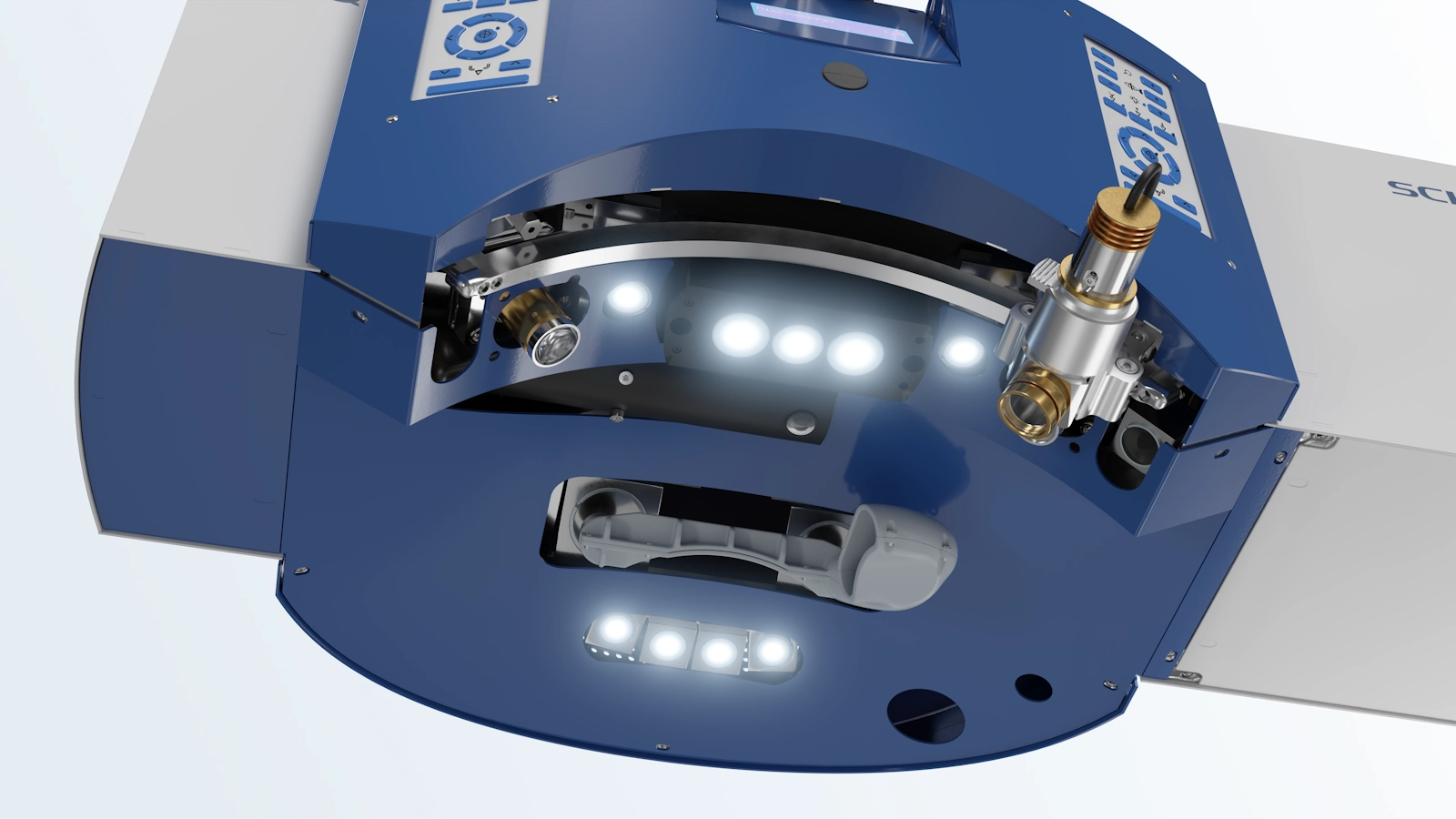
Benefits at a glance
*LASIK, without astigmatism, 12.5 HSA, 6 mm optical zone
Patient expectations are constantly increasing with regard to treatment methods and the results attainable in corneal surgery. If you can offer the shortest treatment times with perfect results, you have the upper hand. This is where the SCHWIND AMARIS family of laser systems sets a new standard, delivering greater safety and patient comfort.
Innovative and reliable
The SCHWIND AMARIS 1050RS is a major milestone in refractive corneal surgery, achieving a repetition rate of 1050 Hz, currently is one of the highest of any excimer laser in the market. This innovative excimer laser decreases the extremely short ablation time of the product family even further, to 1.3 seconds per dioptre2 – the ablation times achieved with the AMARIS 750S and AMARIS 500E are no less impressive. In practical terms this means shorter treatment times and minimised risk of corneal dehydration. Moreover, the length of time the patient has to fixate on the green light is significantly shorter.
- LASIK myopia without astigmatism, 12.5 mm vertex distance, 6 mm optical zone

The clinical results with the SCHWIND AMARIS laser
are the best I have ever seen.
Michiel Luger, MD, Bergman Clinics, Utrecht, Netherlands
Safety in up to seven dimensions
Eye tracking in space and time
Unsurpassed: the innovative SCHWIND AMARIS technology combines speed and precision in new dimensions. The 1050 Hz eye tracker actively compensates for every eye movement – in five to seven dimensions.
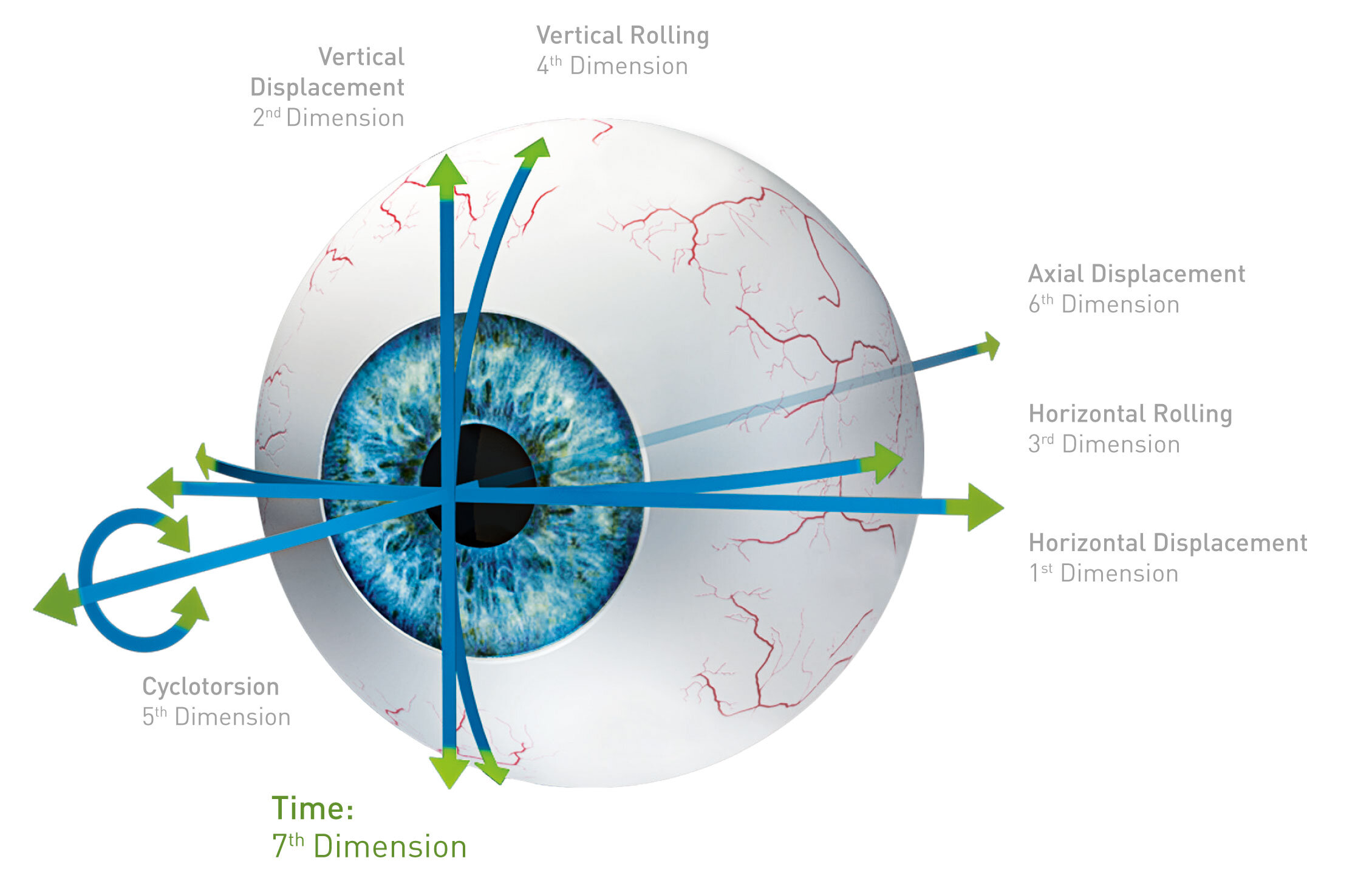
Latency-Free Tracking in the 7th dimension
The state-of-the art Latency-Free Tracking considers the time factor, i. e. the 7th dimension. Latency-Free Tracking compensates for eye movements that occur in the period between acquisition of the eye-tracker image and triggering of the subsequent laser pulses. The eye tracker performs a motion analysis on the basis of previous eye positions during the treatment.
It then calculates, for all six dimensions, where the corneal target position will be at the moment of the next two consecutive pulses. The scanner moves to this position before the next pulse is triggered. The laser system knows when and where future laser pulses need to be triggered. The effect of this is latency-free ablation – and an ideal combination of speed and precision during the laser treatment.
Plan individually for each situation
Comprehensive treatment planning with complete diagnostic data
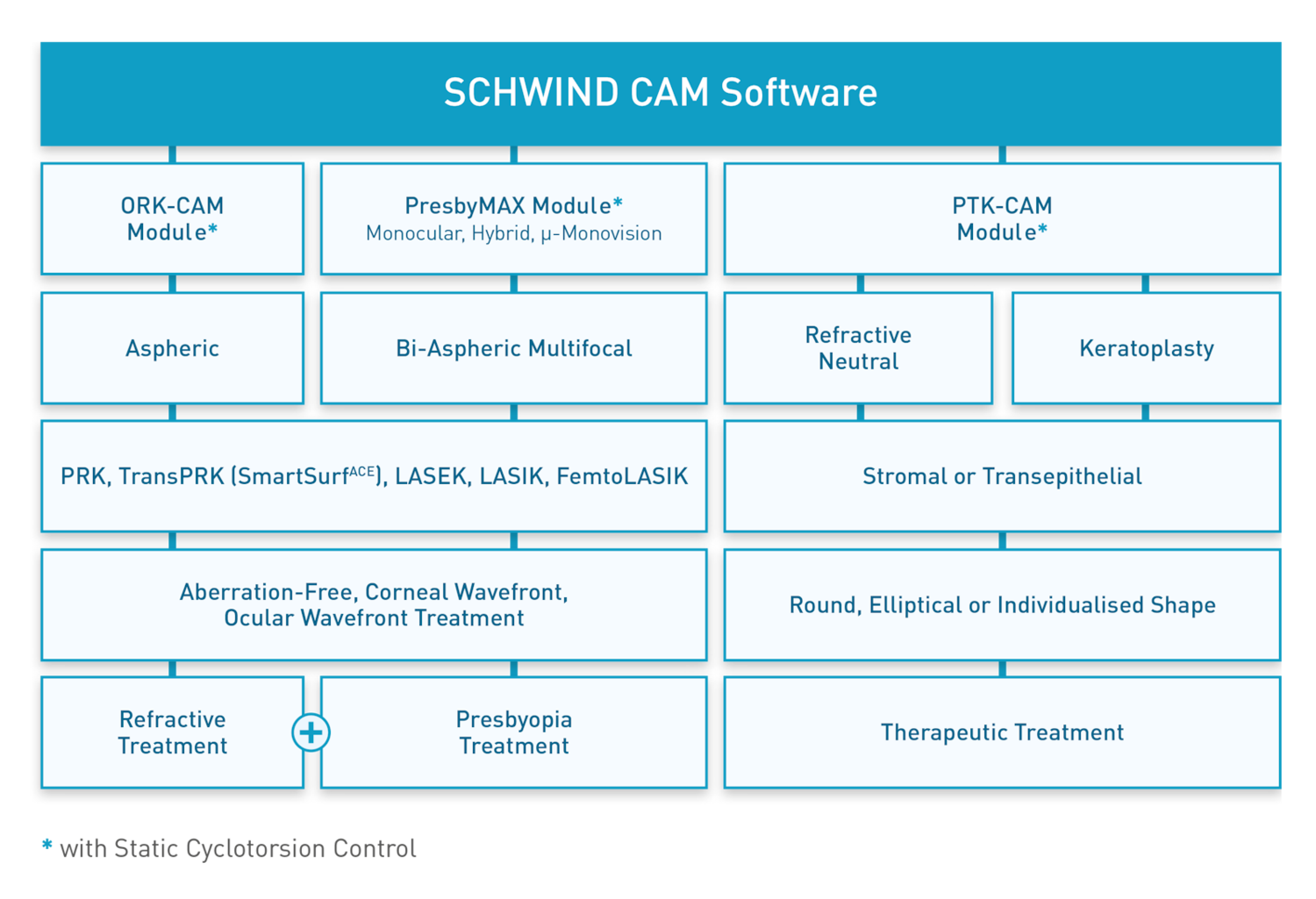
Each treatment is different. That is why the entire AMARIS product family, with the modular SCHWIND CAM software, makes it possible for you to plan treatment individually for your patients across an exceptionally wide range of applications in corneal surgery. Whether corneal or ocular wavefront, pachymetry or epithelial data – all the required diagnostic information are incorporated into planning.
You can be sure that you will not leave out any detail important for the individual ablation.
SCHWIND CAM modules and the advantages for you
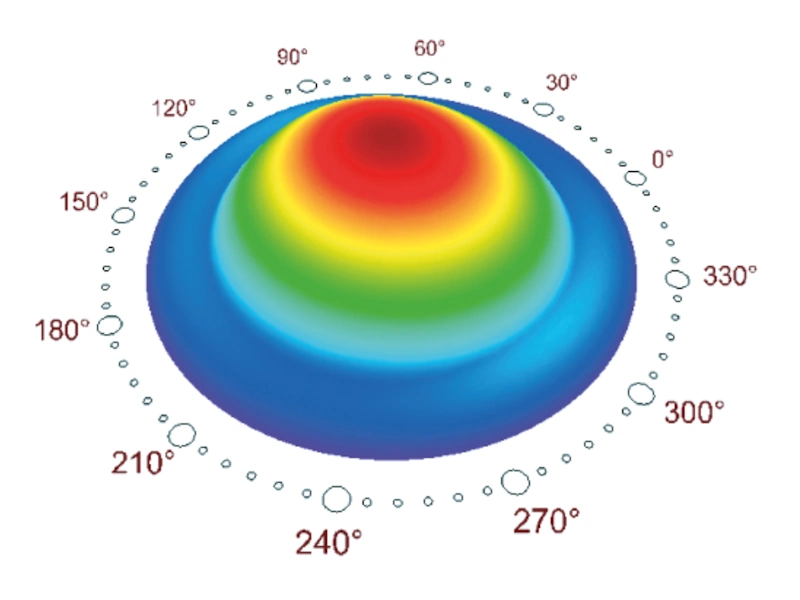
ORK-CAM
A one-of-a-kind intelligent planning tool for wide-ranging and tailor-made refractive laser treatment. Aspheric ablation profiles are employed for both aberration-free and customised treatments based on (total) corneal or ocular wavefront data.
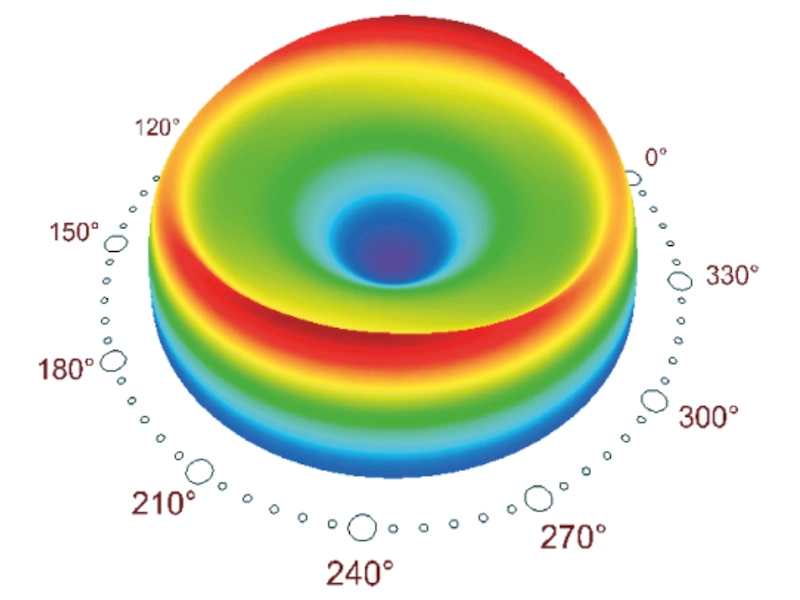
PresbyMAX
This module is ideal for safe and efficient treatment of patients with emmetropia, myopia, hyperopia and astigmatism, whose accommodative response is limited. PresbyMAX is based on bi-aspheric ablation profiles.
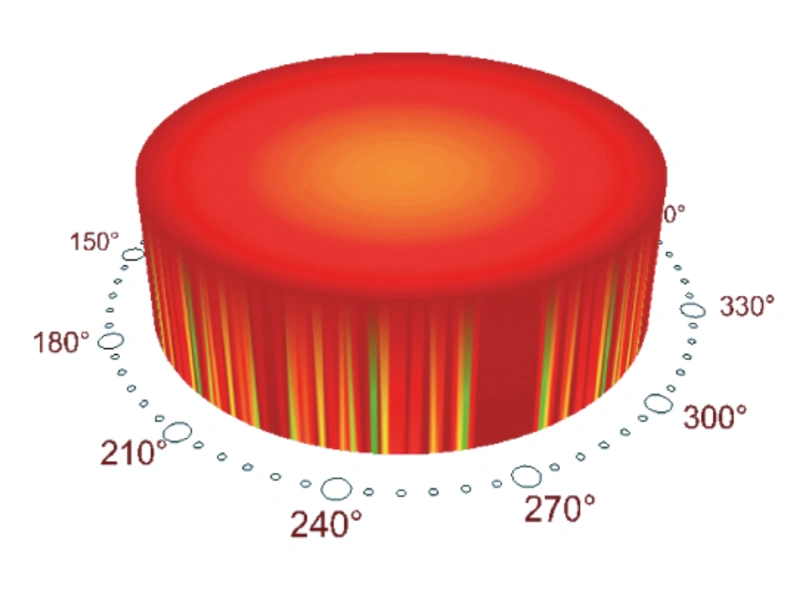
PTK-CAM
This module supports you in performing therapeutic treatments. Superficial as well as deep corneal scars and corneal degenerations can be exactly localized and treated with a procedure in which the corneal tissue is ablated in either a circular, elliptical or an individualised shape. You can choose between a more superficial refraction-neutral or a deep ablation for performing laser keratoplasty.
Touch-free treatment with SmartSurfACE
SmartSurfACE combines the benefits of touch-free TransPRK surface treatment with innovative SmartPulse Technology.8, 9
It works without touching the eye. There is no suction, no blade and no incision – vision is corrected through the top layers of the cornea with SCHWIND AMARIS technology, gently, touch-free, in a single step. The treatment with SmartSurfACE on regular corneas speeds up the healing process and yields good vision quality even in high myopic eyes.
The advantages over other surface treatment methods are obvious – the epithelium is removed more precisely, more uniformly and more easily than with manual or alcohol-assisted debridement.
SmartSurfACE is suitable for any laser candidate as well as patients with thin corneas, corneal pathologies or complex topographies.

- OneYear Visual and Refractive Outcomes of SmartPulse® Technology in Transepithelial Photorefractive Keratectomy for Myopic and Astigmatic Patients. Margarit DA, Stanca HT, Mocanu V, Munteanu M, Ferrari F, Marius S. J Clin Med. 2024 Oct 17;13(20):6182
- Trans advanced surface laser ablation (TransPRK) outcomes using SmartPulseTechnology. Aslanides IM, Kymionis GD. Cont Lens Anterior Eye. 2017 Feb;40(1):4246
Further advantages
Intelligent Thermal Effect Control (ITEC)
Higher safety through corneal temperature monitoring and laser pulse sorting for minimum heating, resulting in very gentle ablation
Automatic Fluence Level Adjustment (AFLA)
Balanced pulse number and energy for the perfect combination of fast treatment and high corneal smoothness
Integrated slit lamp
Immediate postoperative control down to the deep layers of the cornea
Corneal Collagen Crosslinking lamp
Lamp integrated in the workflow – Ready to use immediately, no additional adjustment necessary
Swivelling laser arm and powered swivelling bed
Comfort and convenience for patient, doctor and assistants
Treatment Assistant Manager (TAM)
Easier operation through controlled sequence of the operation steps light intensity, microscope magnificationand and fixation points; each step is individually adjustable
Integrated plume evacuation
Integrated plume evacuation and filter for clean operating theatre air
Automatic video record of treatment
Many teaching, reviewing and marketing possibilities
SCHWIND Foresight®
Post-operative corneal visualisation
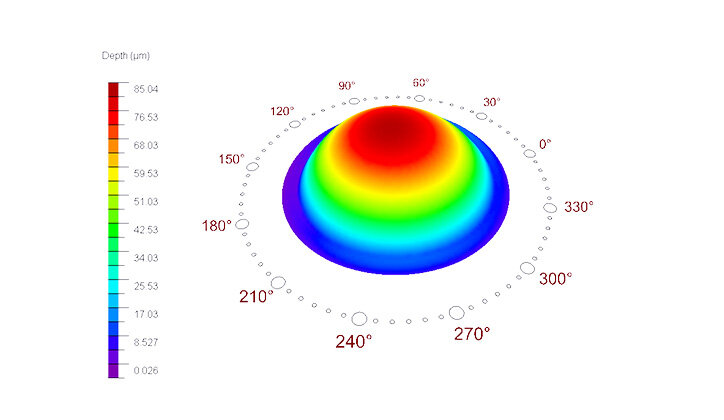
SCHWIND Foresight is an intuitive and sophisticated software solution to visualise the effect on the cornea of each individual therapeutic and refractive surgery treatment upon planning. Foresight creates a virtual replica of the individual patient's cornea. Based on it, surgeons can dry run surgery, reflect their planning and educate their patients about the planned ablation profile and the expected outcome.
CustomEyes®
True customization for clear vision
CustomEyes with SCHWIND AMARIS offers an advanced, personalized approach to laser vision correction, utilizing wavefront technology. High-resolution diagnostic devices (e. g. SCHWIND PERAMIS, MS-39, SIRIUS+)* can measure the fine details of the cornea’s front and back surface as well as they can calculate the total irregularities / errors of the eye. The incorporation of these data into the SCHWIND treatment planning module enables a highly personalized treatment profile with SCHWIND AMARIS.
* Manufacturer of the diagnostic devices and C-eye: C.S.O S.R.L. – COSTRUZIONE STRUMENTI OFTALMICI 50018 Scandicci (Firenze) ITALY – V. Degli Stagnacci 12 / E
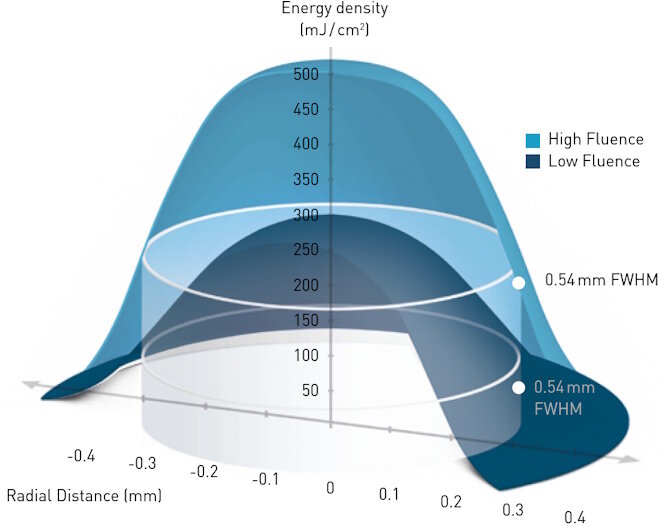
Automatic Fluence Level Adjustment
Ideal balance between the total number of laser pulses and energy delivered
AFLA - An ideal balance
With the Automatic Fluence Level Adjustment (AFLA), the SCHWIND AMARIS product family achieves desired level of corneal smoothening even at the highest ablation speed.* Researchers at SCHWIND have developed an algorithm that ensures an ideally balanced ratio between the total number of laser pulses and the energy delivered.
About 80 percent of the ablation is performed with a high fluence value. For the fine modelling – the remaining 20 percent – AFLA automatically switches to a lower fluence. The result is optimum smoothing of the cornea. Through the extremely small beam size and Super-Gaussian beam profile, you achieve desired ablation smoothness.
ITEC - Gentle even at the highest speeds
Intelligent Thermal Effect Control (ITEC) is the name of the thermal control process that prevents damage to the surrounding corneal tissue, even at the very high ablation speeds of the SCHWIND AMARIS product family. ITEC ensures that the laser pulses are distributed in a thermally optimised, dynamically adapted way, which gives the individual position on the cornea sufficient time to cool off. The following pulses can therefore approach an already cooled position faster. ITEC is better than the static processes. Studies using an infrared thermographic camera have proven that the corneal tissue only heats up minimally, even at high ablation speeds.*
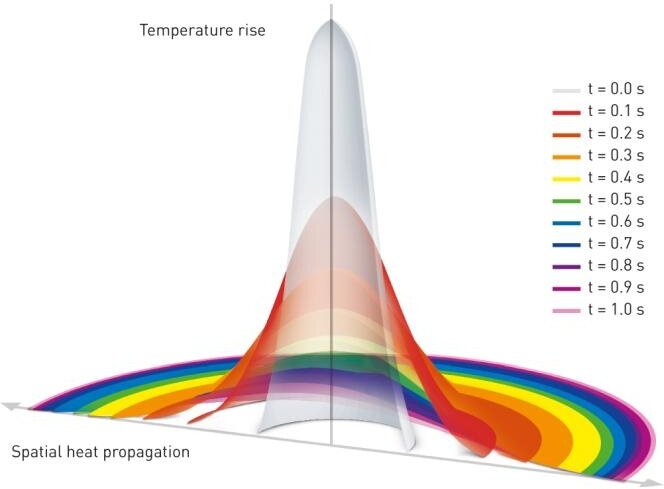
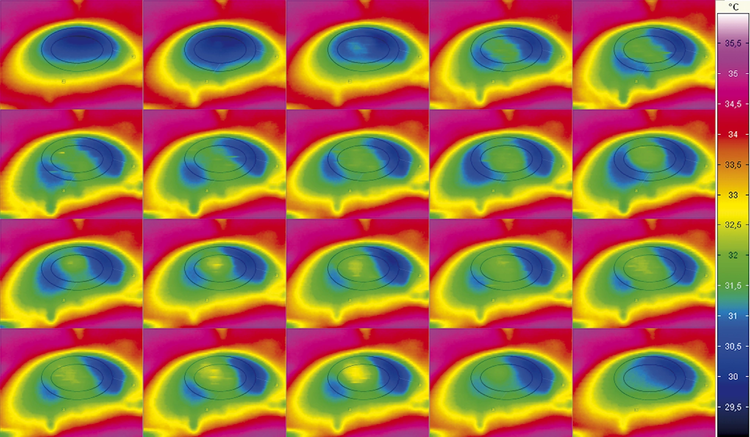

The thermal control technology and ablation control with two fluence levels play a very important role, especially in biological terms: the less the biological interaction with the corneal tissue, the more reliably wounds can heal.
Prof. Jorge Alió, Vissum Medical Ophthalmologic Corporation, Alicante, Spanien
* High-speed recording of thermal load during laser trans-epithelial corneal refractive surgery using a 750 Hz ablation system. J Optom. De Ortueta D, Arba-Mosquera S, Magnago T. 2019 Apr – Jun.